Acase
Adaptive facades
Panel systems, attractor logic, depth variation, facade grids, performance-ready definitions.
● Grasshopper plugin · Private beta
Falcon is a small chat panel that lives inside Grasshopper. You describe what you want; it writes the definition on your canvas — native components, wires, and sliders. No new app to learn.
N 41°02′ · E 28°58′
v0.4.1 · Build 2026.06
Fig. 03 — Product
Falcon doesn't stop at text. It reads intent, understands available components, builds structured definitions, validates them, and places native objects on the Grasshopper canvas.
01 — Structure
Briefs become parameters, dependencies, constraints, and graph logic before anything is placed.
02 — Fidelity
Real components, wires, panels, groups, sliders, and labels — not screenshots, not static diagrams.
03 — Safety
Definitions are parsed, checked, retried, and cleaned before the canvas changes.
04 — Context
Falcon reads the current graph state and modifies the existing definition instead of starting from zero.
Fig. 04 — Workflow
Four steps. Each one transparent, inspectable, and editable.
Falcon reads the prompt, current canvas, installed components, and project constraints.
{
  "nodes": 18,
  "groups": [
    "core",
    "plates",
    "setbacks"
  ],
  "params": {
    "floors": 32,
    "h_floor": 4.0
  },
  "validate": true
}The request becomes a structured graph plan: nodes, connections, groups, parameters.
Falcon generates a native definition with organized components and editable logic.
24 / 18 / 4
comp · wire · group
The graph is placed on the canvas, ready for follow-up edits, debugging, and refinement.
Fig. 05 — Use cases
Falcon is shaped by the workflows of facade designers, massing teams, computational specialists, and AEC innovation groups.
Panel systems, attractor logic, depth variation, facade grids, performance-ready definitions.
Parametric massing with floor plates, setbacks, core zones, height controls, area outputs.
Controllable floor plates with sliders for grid, depth, corridor width, facade offsets, units.
Rib systems, curve-based structures, parametric frames, fabrication-aware geometry.
Connect design geometry to Ladybug, Kangaroo, Karamba and other installed plugins.
Explain messy definitions, clean up groups, rename components, document existing logic.
Fig. 05a — Field studies
Illustrative studies of the territory: gridshells, adaptive facades, massing wireframes — parametric logic you can hold, plot, and edit.
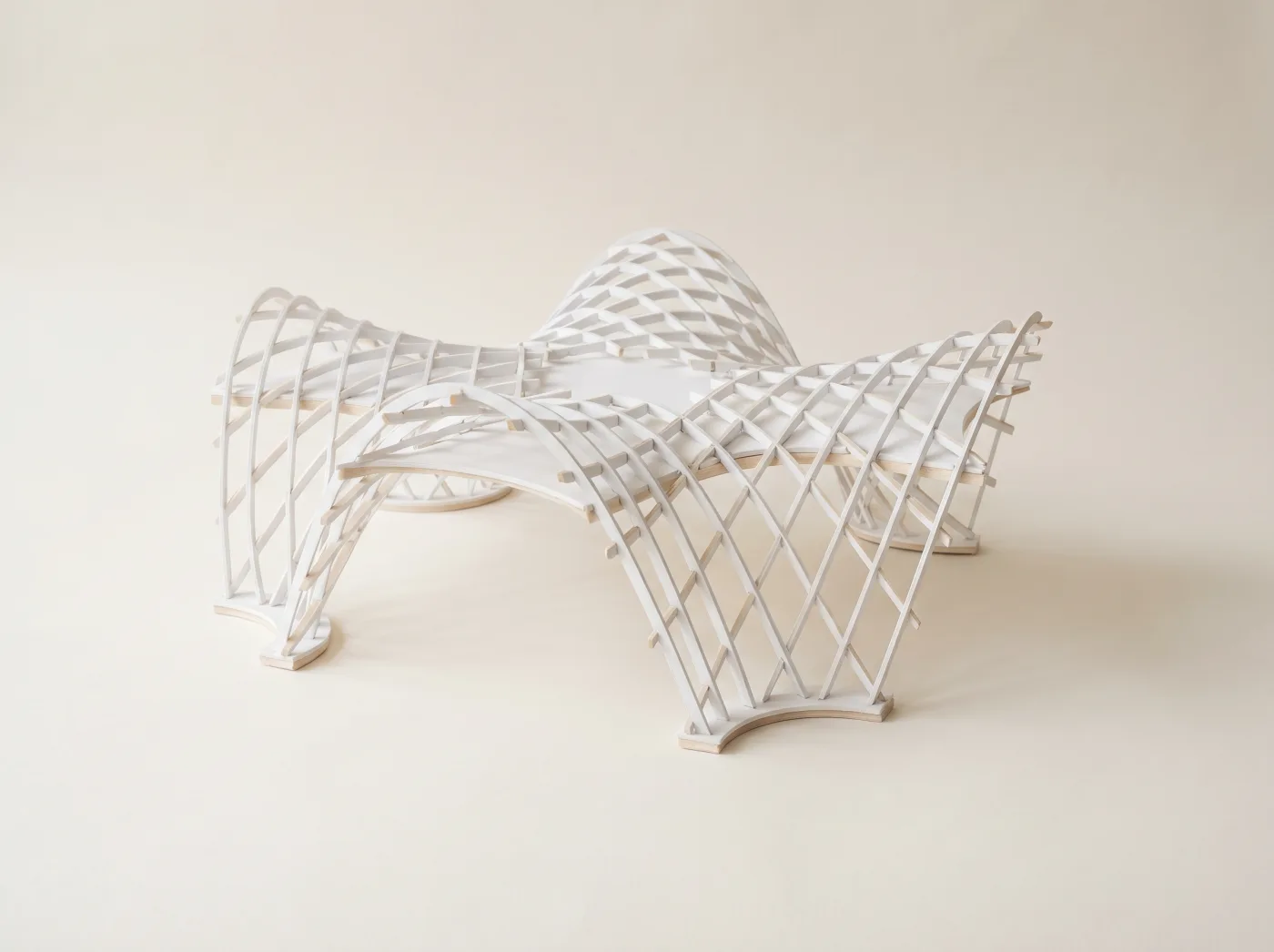
Rib structure from curve logic — the kind of definition Falcon places in one pass.
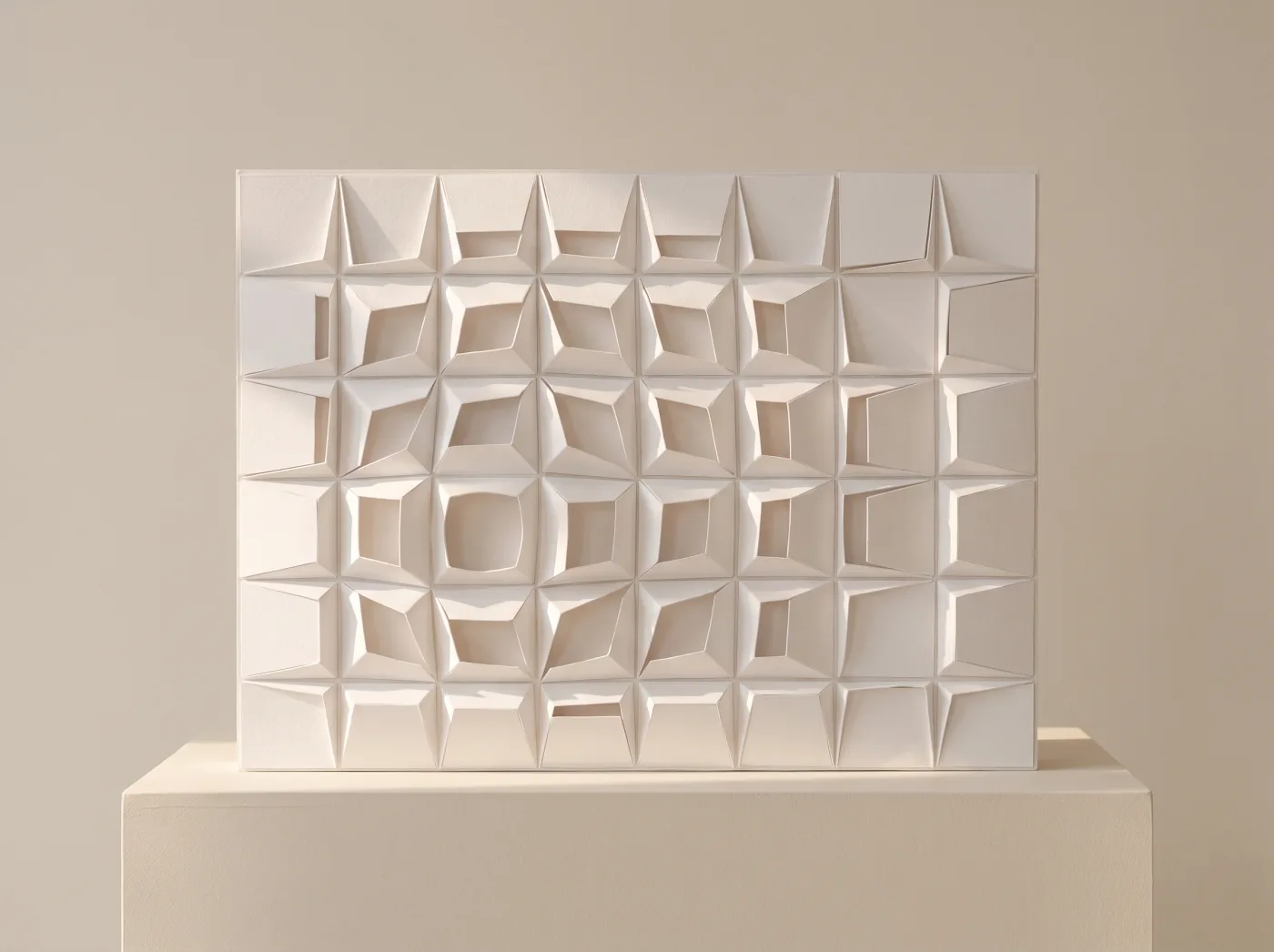
Attractor-driven panel depth; sliders exposed for grid, depth, and falloff.
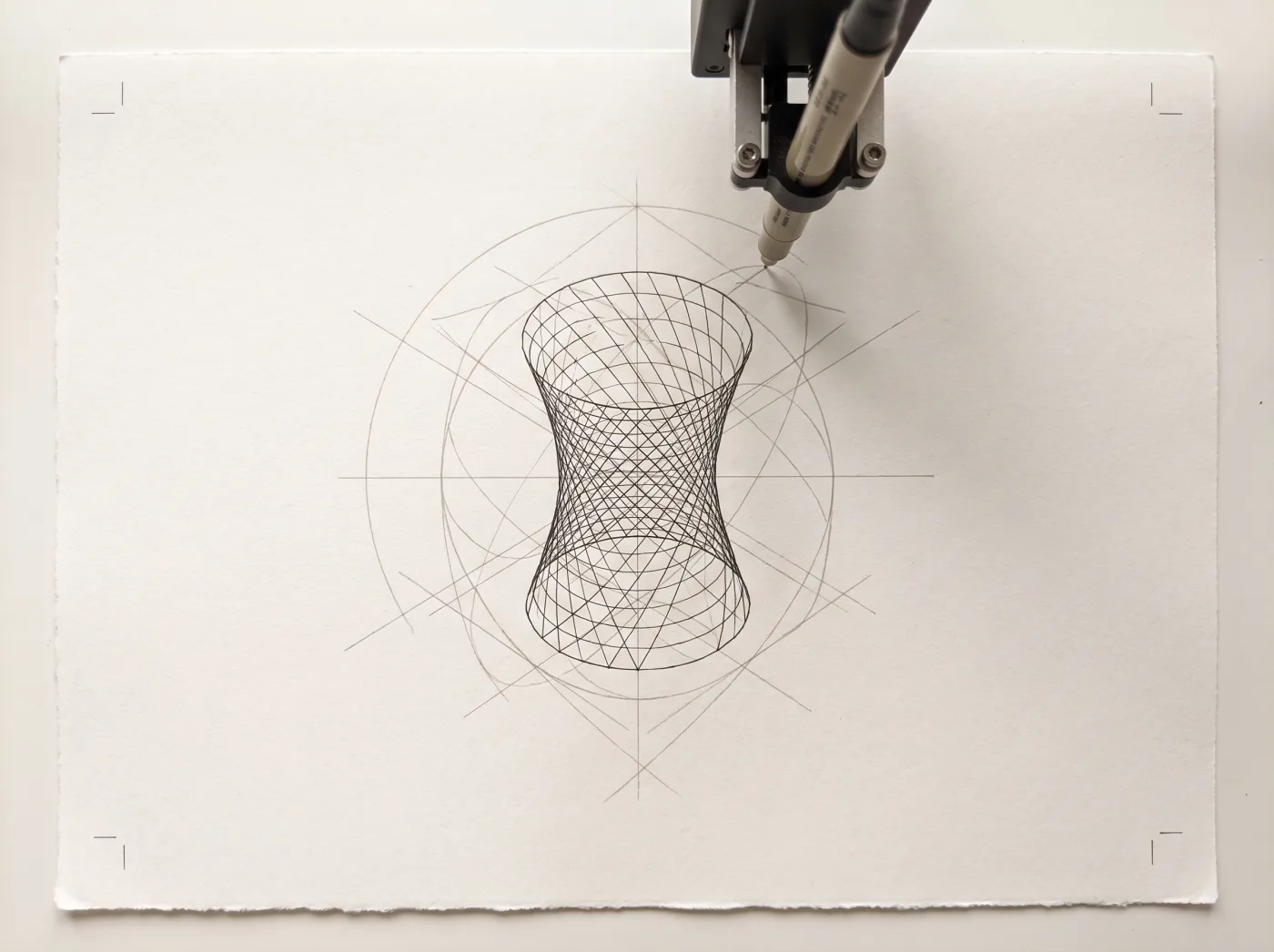
Massing logic as drawn output — geometry that stays editable at every step.
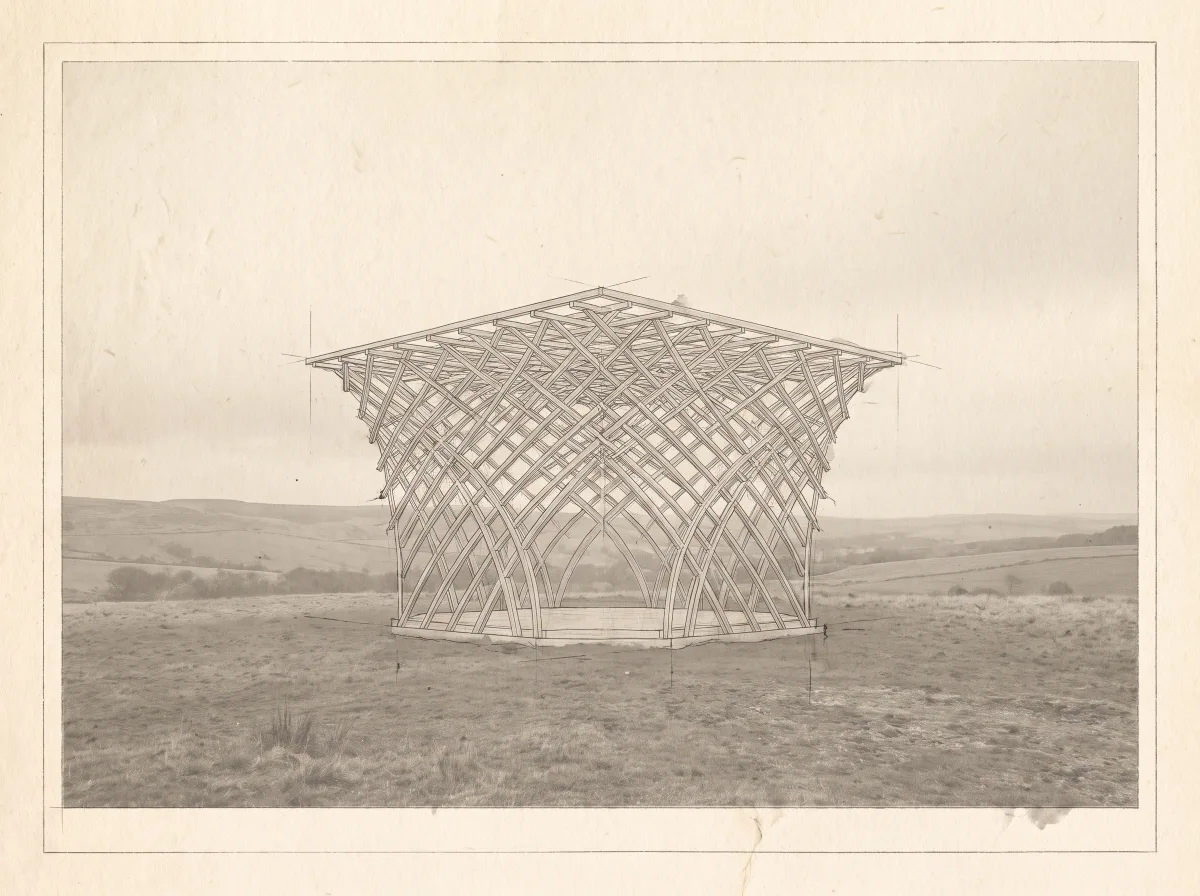
Woven structural grid from a single surface input — illustrative study.
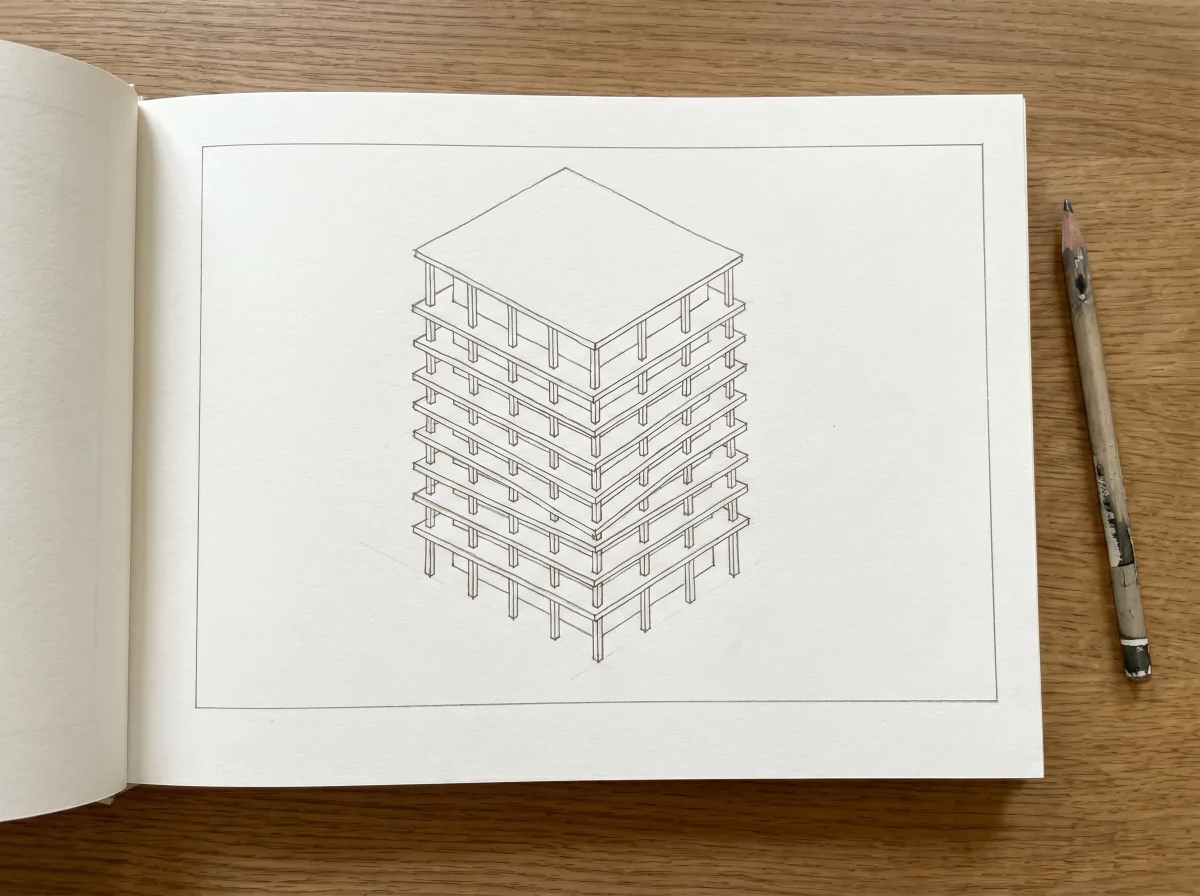
Slab offsets and column grid driven by two sliders — illustrative study.
Fig. 06 — Category
Falcon is a workflow layer for the Grasshopper canvas. Compare the difference.
| Property | Generic AI chatbot | Floor plan generator | Falcon AI |
|---|---|---|---|
| Output type | Text reply | Static plan / image | Native GH definition |
| Workflow location | Browser tab | Web app | Inside Rhino / Grasshopper |
| User control | None | Limited | Component-level |
| Editing model | Re-prompt | Re-generate | Edit graph in place |
| Technical depth | Shallow | Layout-focused | Parametric logic |
| Integration | Generic | Closed | Plugin-aware |
| Best for | Q&A | Plan studies | Computational design |
Fig. 07 — Interface
Chat, plan, canvas, and validation — kept visible so the designer stays in control of the logic.
Fig. 08 — Trust
Falcon is built around the principle that the graph belongs to the designer. The agent proposes — you place, edit, and iterate.
Fig. 09 — Roadmap
A focused beta. We are deliberate about what ships, and equally deliberate about what waits.
Fig. 10 — Early access
We are inviting computational designers, architects, and AEC innovation teams who already work inside Grasshopper and want an AI agent that builds native, editable definitions.
↳ private cohort · rolling
↳ built by Fraktal
↳ Rhino 7 / Rhino 8